







Search Results for: Dark Roast Extraction
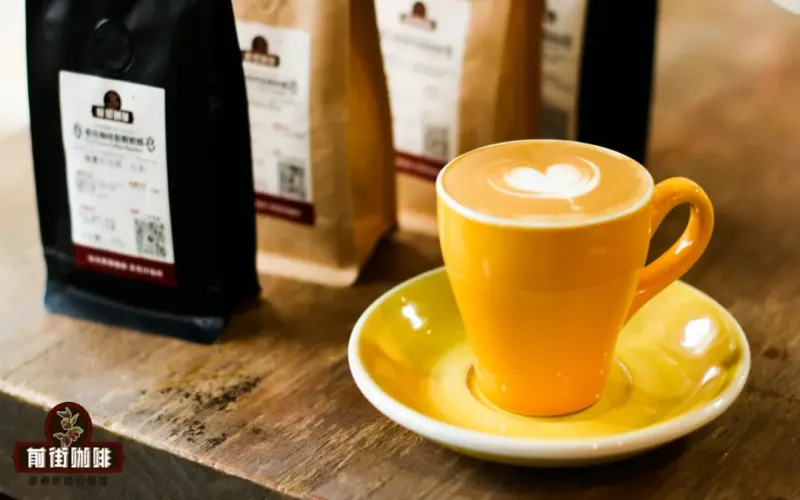
Is It Feasible to Make Espresso from Single-Origin Beans for Pour-Over? Differences Between Light Roast and Blend Beans and Extraction Adjustment Approaches
Many coffee enthusiasts stock up on single-origin pour-over beans during Front Street Coffee's monthly limited-time events, yet their purpose is to make espresso. However, single-origin beans are mostly medium-light or light roasts, which differ significantly in roast level from the dark roasts commonly used for espresso. Directly applying dark roast parameters often results in espresso that is sharply acidic and thin. This article focuses on this topic, first explaining the essential differences in density and brittleness between dark and light roast beans, then providing grinding adjustment ideas and reference formulas for light roast single-origin beans, and finally, from the two directions of dose and milk ratio, explaining how to keep light roast espresso from being diluted and masked in milk-based coffee, along with practical tips for making milk coffee. [more…]
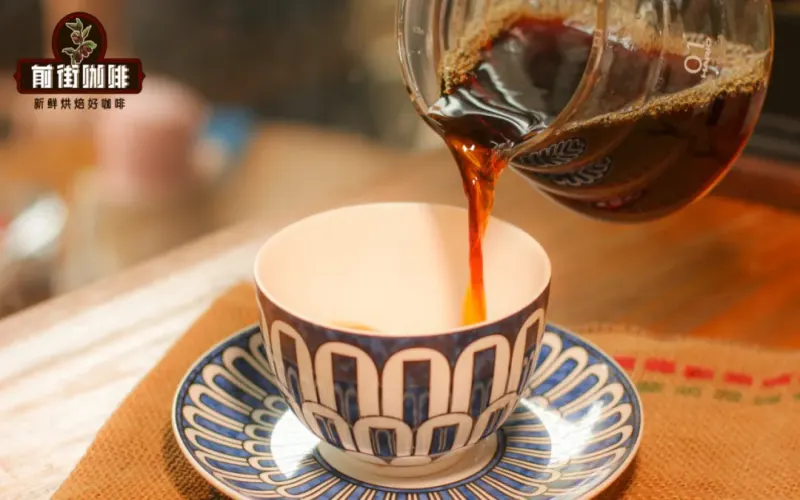
The Complete Guide to Pour-Over with Dark Roast Coffee Beans: Master Water Temperature, Grind, Dripper, and Pouring Rhythm for a Rich, Sweet Finish
Dark roast coffee beans have always had a loyal following thanks to their rich caramel-chocolate aroma, full and smooth body, and long, sweet finish. Yet getting a good cup out of dark roasted beans is no simple matter—their loose, porous structure means a moment's carelessness leads to over-extraction and bitterness. Drawing on their brewing experience with dark roast products such as Queen's Estate, Bird of Paradise, Blue Mountain No. 1, and PWN Golden Mandheling, Front Street Coffee breaks down the key parameters and techniques for pour-over dark roast beans one by one—from water temperature, grind size, and dripper selection to coffee-to-water ratio and the three-pour method—to help you reliably replicate a cup of dark roast coffee with prominent sweetness and a lasting finish in just two minutes. [more…]
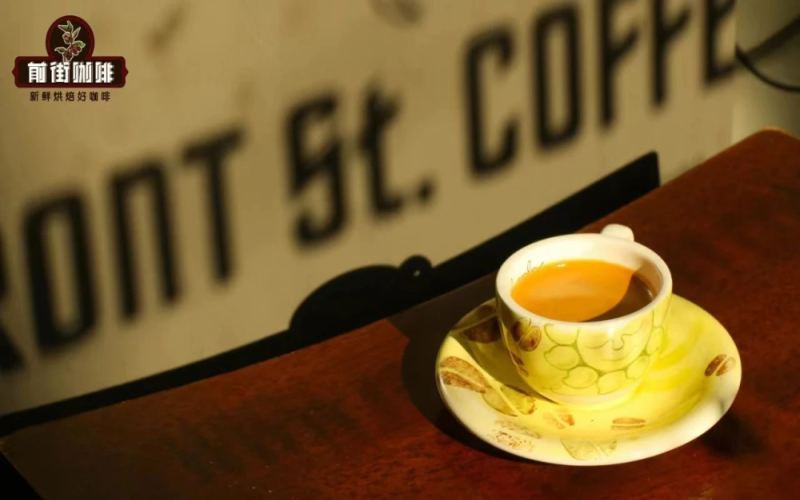
A Complete Parameter Guide to Making Espresso with Light-Roast Coffee Beans: Key Adjustment Points for Grind, Dose, Time, and Milk Coffee Ratios
Espresso is typically based on medium-dark or dark roasted coffee beans, because the caramelized aromas blend more harmoniously with milk. However, drinking the same flavor over the long term inevitably becomes monotonous, and many coffee enthusiasts turn to light roasted beans with prominent floral and fruity notes, such as Front Street Coffee Huakui SOE or Front Street Coffee Strawberry Candy espresso blend, which when used to make a latte can highlight creamy smoothness and berry-cocoa notes. Yet the difference in density and brittleness between light and dark roasts is significant, and using dark roast parameters to extract light roasted beans often results in espresso that is sharply acidic and thin, with an unbalanced mouthfeel once milk is added. This article systematically sorts out the five core parameters that need adjustment when switching from dark roast to light roast: the grind size needs to be adjusted finer by 2 to 4 steps, the dose increased by 0.5 to 1 gram, the extraction time extended to 28 to 40 seconds, the brew ratio loosened to about 1 to 2.5, and the amount of milk appropriately reduced to avoid masking the coffee's true flavor. All adjustments are premised on the freshness of the coffee beans, and Front Street Coffee ships everything freshly roasted within 5 days, with 24-hour shipping support, ensuring the flavor is at its best. [more…]
A Curated Selection of Dark Roast Coffee Beans: A Comprehensive Analysis of Pour-Over Suitability, Parameter Settings, and Flavor Profile
Can dark-roasted coffee beans be used for pour-over? The answer is yes, but it requires a brewing approach completely different from that for medium-light roasts. Starting from the concept of body, this article sorts out the flavor differences among light, medium, and dark roast levels, and recommends popular dark-roast single origins such as Front Street PWN Golden Mandheling, Queen's Estate, Jamaica Blue Mountain No. 1, and Huilan. Then, focusing on four dimensions—coffee-to-water ratio, brewing time, dripper selection, and pouring technique—it breaks down one by one the parameter adjustment methods for pour-over with dark-roasted beans: how to avoid a thin mouthfeel, prevent under-extraction, choose a KONO dripper to extend immersion, reduce water flow washing against the cup wall, and other practical tips to help you consistently brew rich, full-bodied dark-roast coffee. [more…]

What is the relationship between roast level and caffeine content? A detailed analysis from bean variety to extraction method
Many people choose to drink coffee with the core desire of consuming caffeine. Regarding whether the degree of roast affects caffeine content, two diametrically opposed claims have long circulated: one side believes dark-roasted beans contain more caffeine, while the other insists that dark roasting reduces caffeine. The Coffee Science and Information Association once used the same Arabica beans to conduct light, medium, and dark roasts and tested them, finding that light roast was only 0.06 percentage points higher than dark roast. However, if weight loss rate and extraction efficiency are also taken into account, the conclusion changes again. The real key determining caffeine content actually lies in the bean variety itself. This article will break down these variables layer by layer to help you clarify the true relationship between roast level and caffeine. [more…]
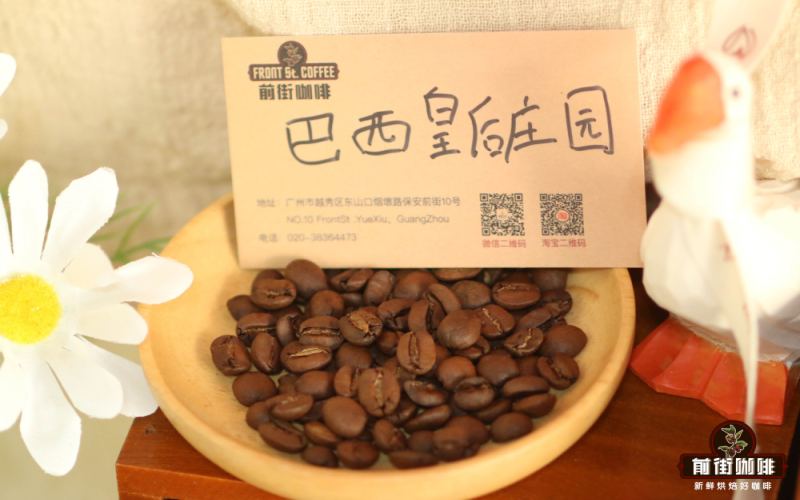
Dark Roast Coffee Bean Brewing Tutorial | Will Dark Roast Coffee Beans Taste Bitter as Hand-Brewed Black Coffee? Which Cocoa-Flavored Dark Roast Specialty Coffee Beans Are Recommended?
Traditionally, to highlight a rich and full-bodied coffee flavor, roasters commonly use dark roasting. The increased roast level promotes more caramelization of substances, so dark-roasted coffee typically carries abundant notes of chocolate, spices, caramel, cocoa, maple syrup, and the like. In terms of aroma, dark-roasted coffee has a hint of chocolate. [more…]
In-Depth Analysis of Coffee Roast Levels: Flavor Differences Between Dark and Light Roasts and a Guide to Choosing Beans for SOE Coffee
The roast level of coffee beans directly affects the flavor expression in the final cup. From the Maillard reaction and caramelization during roasting to the aroma characteristics presented by the three common roast levels—light, medium, and dark—this article systematically analyzes how roast level influences the balance between acidity and bitterness and the direction of flavor in coffee. At the same time, addressing the bean selection challenge for SOE (Single Origin Espresso), the article analyzes why light-roast and dark-roast beans easily produce harsh flavors under espresso extraction, and gives the reason why medium roast is the first choice for SOE. Front Street Coffee also recommends four single-origin beans suitable for making SOE, covering sun-dried Yirgacheffe, Papua New Guinea Paradise Bird, Costa Rica Mozart, and Brazil Queen Estate Yellow Bourbon, providing practical reference for coffee enthusiasts. [more…]
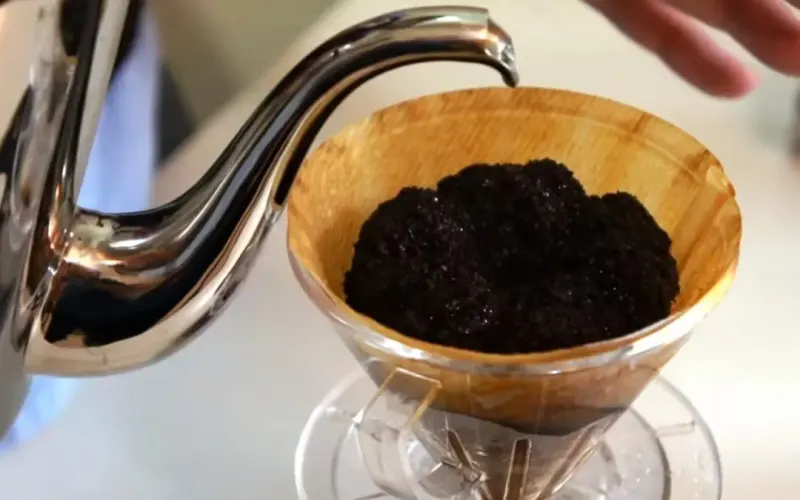
What Is High-Strength, Low-Extraction in Pour-Over Coffee? Japanese Dark Roast Brewing Principles and Practical Parameters Explained
Friends who enjoy Japanese-style dark roast coffee often notice a pattern: a large dose of grounds with a small amount of water produces a cup that is rich but not bitter. This approach has a professional name today—high concentration, low extraction. It is both a summary of past Japanese brewing traditions and an effective way to avoid the bitterness of dark-roasted beans. This article will start from the principles, explaining why Japanese brewing favors a large dose and a low extraction rate, and how doing so simultaneously enhances body and flavor intensity. Then Front Street will use PWN Golden Mandheling as an example to share a set of iced high-concentration, low-extraction practical parameters, including dose, ratio, grind, water temperature, and staged pouring, to help you easily recreate a classic dark roast flavor. [more…]
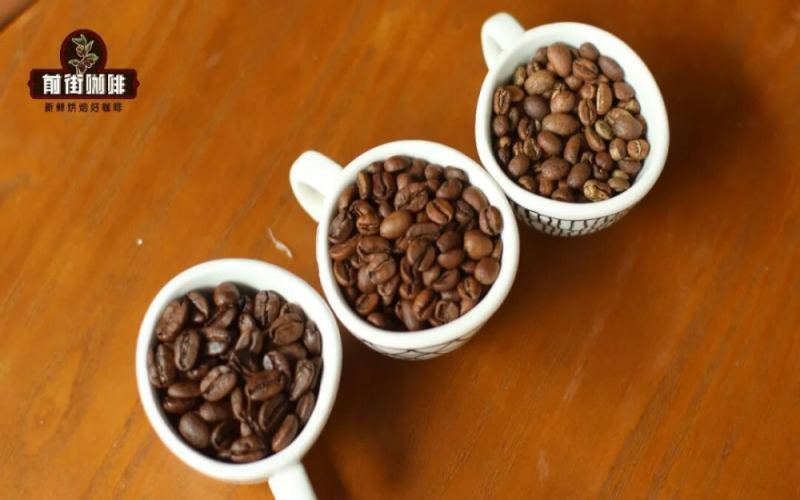
How Does Roast Level Determine SOE Performance? Why Light and Dark Roasts Are Unsuitable for Espresso
Roast level is one of the key variables affecting the direction of coffee flavor. From green beans to the cup, the roasting stage determines roughly thirty percent of the final taste. From the perspective of Front Street, this article sorts out the Maillard reaction and caramelization reaction that occur in coffee beans during roasting, explains the flavor characteristics presented by light, medium, and dark roasts, and focuses on answering a common question: why are both light-roasted and dark-roasted beans considered not quite suitable for SOE? At the same time, drawing on several specific Front Street products, it offers bean types and extraction suggestions suitable for making single-origin espresso, helping coffee enthusiasts more clearly understand the matching relationship between roast level and espresso. [more…]
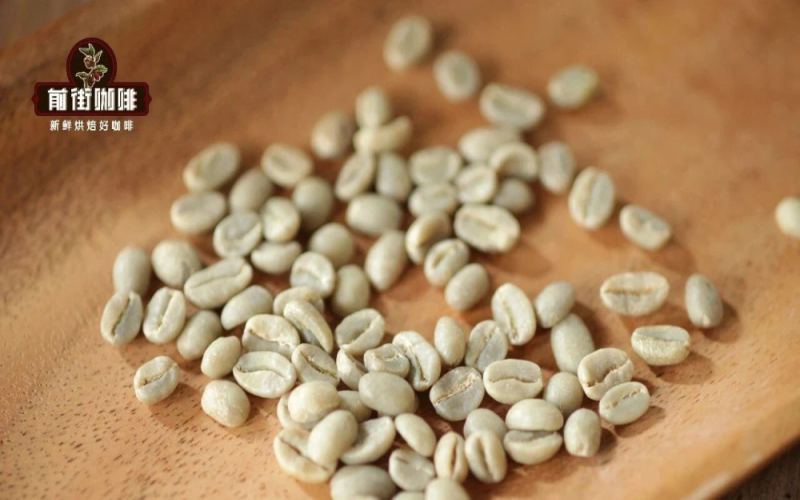
SOE Coffee: Light Roast or Dark Roast? The Roasting Logic Behind Espresso Made from Single-Origin Beans and Four Front Street Recommendations
The same single-origin bean can taste completely different as a pour-over versus an SOE. The roast level plays a key role here—a light roast preserves the floral and fruity acidity, but under pressurized extraction it can turn sharp and prickly on the tongue; a dark roast brings a rich, mellow caramel note, but it easily masks the character of the origin. So what roast level should SOE actually use? This article starts from roast chemistry, analyzing how the Maillard reaction and caramelization shape coffee flavor, sorting out the flavor directions corresponding to light, medium, and dark roast levels, and then answers the roasting-selection challenge for making SOE from single-origin beans, and offers four Front Street Coffee beans suitable for SOE, covering four styles: tropical fruit, hazelnut and sugarcane, fermented fruit, and chocolate creamy peanut. [more…]
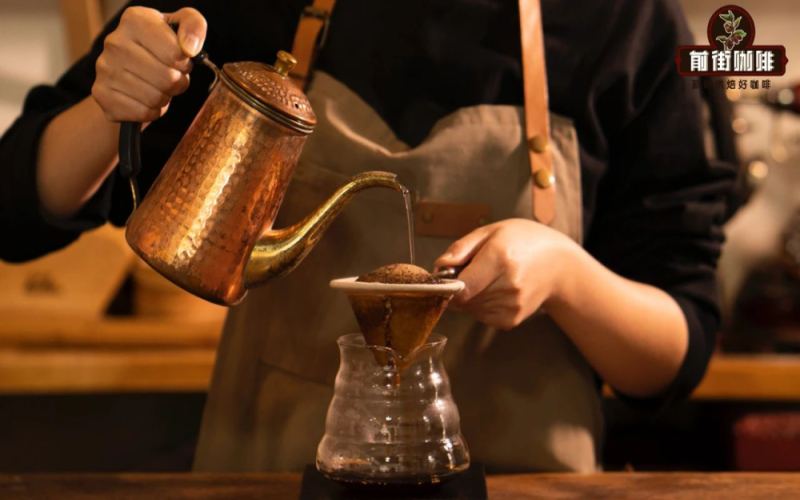
Complete Guide to Volcano Brewing: Japanese-Style Pour-Over Parameters and Sweetness Enhancement Secrets for Dark Roast Coffee Beans
Volcano pour is a highly visually striking classic technique in Japanese-style hand brewing. The coffee bed rises and falls like a volcanic eruption during pouring, and the deep-roasted coffee brewed this way has an especially abundant sweetness. Starting from the underlying logic, this article analyzes why the volcano pour can form a unique coffee-bed spectacle and why it produces such high sweetness, and provides complete brewing parameters and operating steps. It also explains the suitable bean type: deep-roasted beans with a high expansion rate and sufficient carbon dioxide, such as Front Street Sumatra·Golden Mandheling (deep roast). Finally, it includes a staged pouring scheme with a 1:12 coffee-to-water ratio, 88°C water temperature, and a Kalita trapezoidal dripper, along with dilution suggestions, to help coffee lovers recreate at home a smooth cup combining pine and spice notes, caramel sweetness, and dark chocolate aroma. [more…]
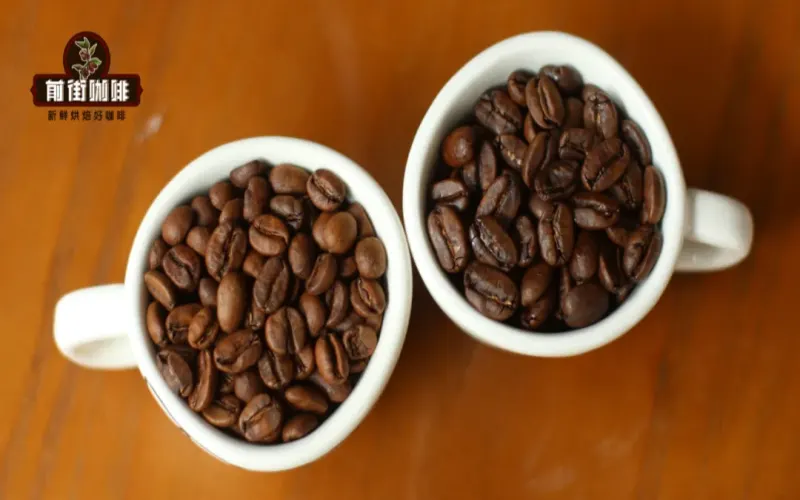
Pour-Over for Beginners: A Guide to Developing Extraction Plans for Unfamiliar Coffee Beans and Identifying Roast Levels
When faced with a coffee bean you've never tried before, how can you quickly find the right brewing recipe? Actually, you don't need to overturn your existing brewing habits—just make targeted adjustments to the extraction parameters. Drawing on Front Street Coffee's practical experience, this article teaches you to infer the roast level from the flavor description on the bean bag label, and from there determine the three core parameters: coffee-to-water ratio, grind size, and water temperature. It also explains in detail the differences in extraction logic between light-roasted and dark-roasted beans, as well as strategies for dealing with specially processed beans, helping you easily master every unfamiliar bean without changing your brewing technique. [more…]
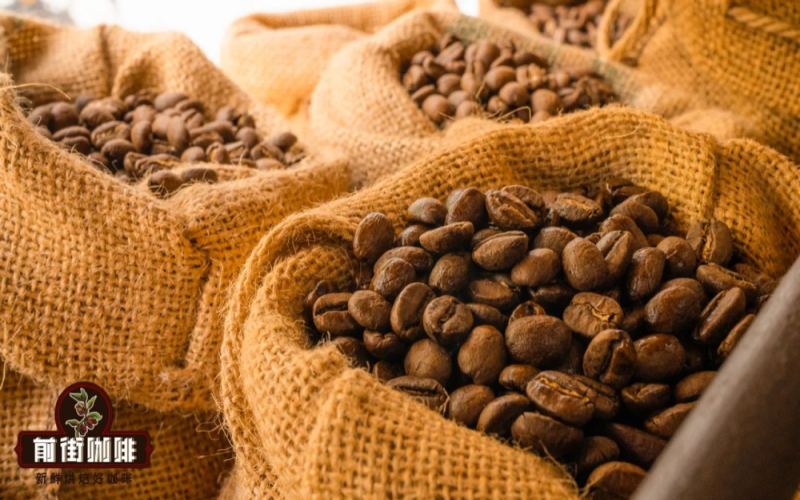
Recommendations for non-acidic pour-over coffee beans | Is dark roast coffee suitable for pour-over black coffee? How to brew Bird of Paradise, Golden Mandheling, and Yunnan coffee beans so they taste good and not bitter?
For more specialty coffee knowledge, please follow our WeChat official account: FrontStreet Coffee. In yesterday's article sharing flavor descriptions, the section on "body" sparked a lively response among coffee friends, and a friend asked via the backend that the deep-roasted coffee he brewed had a mouthfeel compared to [more…]
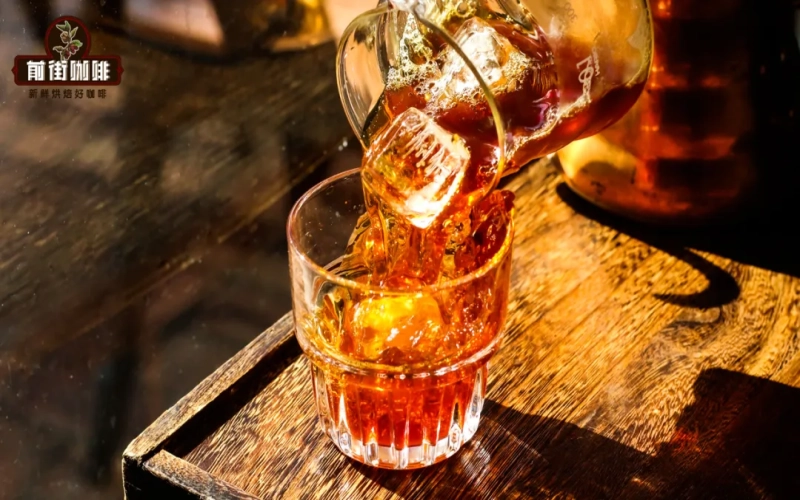
Can dark roast coffee beans be used to make hand-brewed iced coffee? A detailed explanation of water temperature, ratio, and pouring technique to say goodbye to bitterness and blandness.
The long, scorching summer makes iced coffee the go-to choice for everyday relief. Many coffee enthusiasts, after getting used to light-roast iced coffee, want a change of pace and try dark-roast iced pour-over, only to often end up disappointed—the flavor is weak, the body is thin and watery, and it can even be bitter and hard to swallow. Where exactly does the problem lie? This article, drawing on Front Street's brewing experience, analyzes the root causes of why dark-roast iced pour-over easily fails, and provides a complete solution covering bean selection, parameters, and pouring technique. The core idea is to extend the extraction time through multiple pouring stages, improve dissolution efficiency, and at the same time avoid the bitterness caused by over-extraction. The article also shares the specific brewing parameters for Front Street PWN Golden Mandheling, including a coffee-to-water-to-ice ratio of 1:10:6, a water temperature of 86–89°C, and a five-stage pouring method, helping you brew a cup of dark-roast iced coffee at home that is rich without being bitter and stands out for its sweetness. [more…]
How much does a 2°C difference in brewing water temperature affect coffee flavor? Front Street Coffee's actual test comparing light roast and dark roast beans
When brewing coffee, should the water temperature be 91°C or 93°C? Does this seemingly tiny difference really determine the flavor direction of a cup of coffee? Front Street Coffee often receives similar questions, because when we share extraction parameters, the water temperature is often given as a range rather than a fixed value. To clarify this issue, we brewed a light-roasted Ethiopian Yirgacheffe and a dark-roasted Brazilian Queen's Estate using the lowest and highest recommended water temperatures respectively, making four pots of coffee in total, and measured the concentration one by one, calculated the extraction yield, and then compared the flavor differences through tasting. This article will present the experimental results in full, analyze the specific effects of high and low water temperatures on the balance of acidity and sweetness, layering, and body, and share how Front Street Coffee chooses the appropriate water temperature based on the roast level of the beans in daily production. [more…]

How to brew unfamiliar coffee beans perfectly in one go? Determine pour-over parameters for light and dark roasts based on roast level and density
Buying a bag of unfamiliar coffee beans, the biggest fear is using the wrong parameters and wasting good beans for nothing. In fact, even without an existing brewing recipe on hand, you can judge whether the beans suit a high-efficiency or low-efficiency extraction method by observing their roast level and density, and thereby set the appropriate water temperature, grind size, and ratio. In this article, Front Street Coffee will walk you through starting from flavor descriptions and bean hardness, breaking down the differences between light-roast and dark-roast coffee beans step by step, and using two beans—Ethiopian Huakui and PWN Golden Mandheling—as examples to provide directly referenceable pour-over parameters, so you can brew confidently even when facing new beans. [more…]
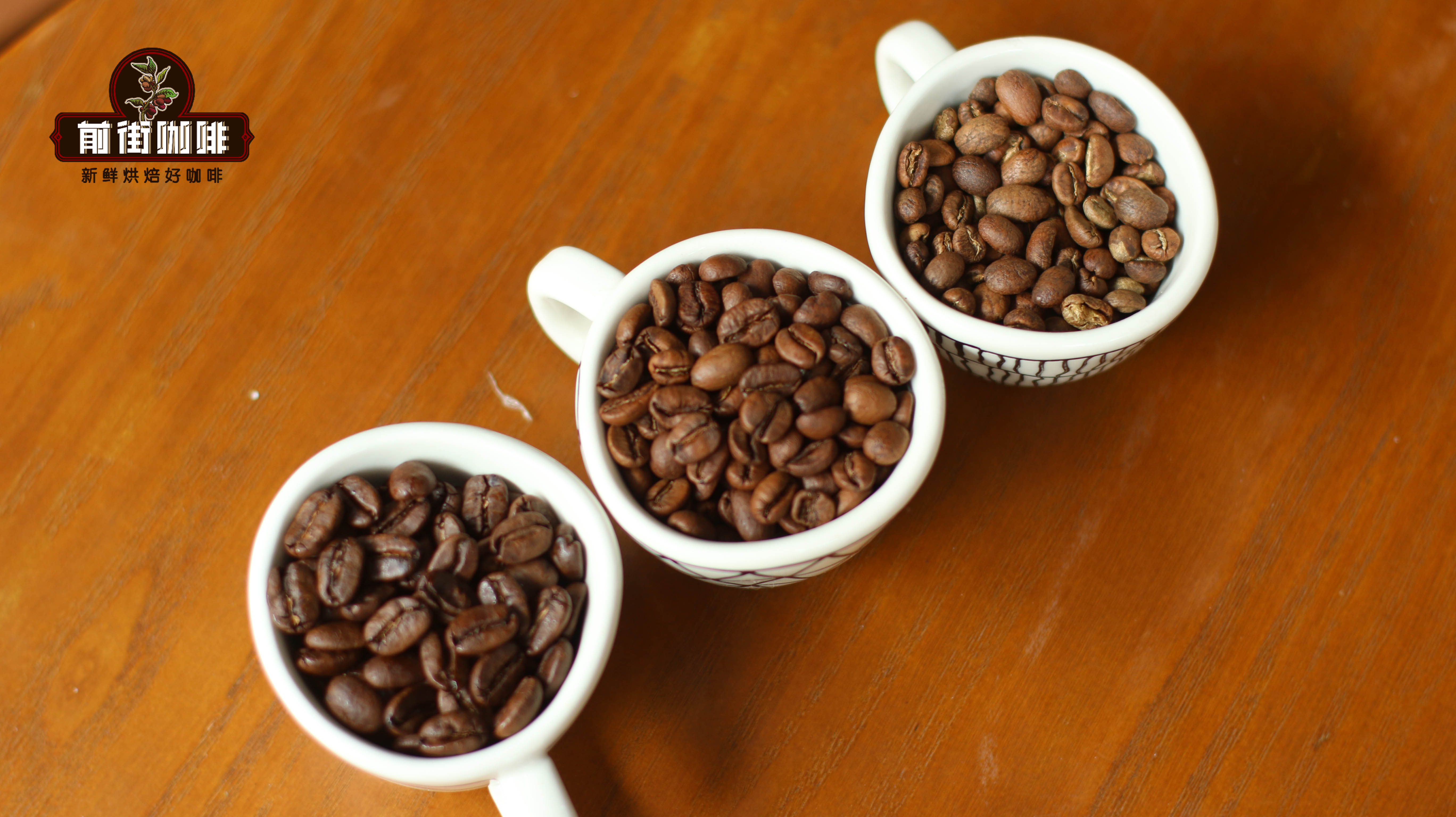
How to drink and brew dark roast coffee grounds and coffee beans? A detailed explanation of the high-concentration, low-extraction method and parameters that bring out a prominent sweet aftertaste
Deeply roasted coffee beans, due to sufficient caramelization, often present a richer mellow sweetness and caramel aroma. However, if brewed improperly, bitterness can easily overpower the sweet aftertaste. This article begins with the flavor characteristics of dark-roasted coffee and introduces how to better present the sweetness and sweet aftertaste of dark-roasted coffee through bean selection and brewing methods. It focuses on a Japanese-style high-concentration, low-extraction approach commonly used by Front Street Coffee, and provides specific brewing parameters and staged pouring steps for using Front Street Coffee Jamaica Blue Mountain No. 1 coffee, including coffee dose, coffee-to-water ratio, water temperature, grind size, dripper, and time, helping coffee enthusiasts brew a cup of dark-roasted coffee at home with moderate concentration and a pronounced sweet aftertaste. [more…]
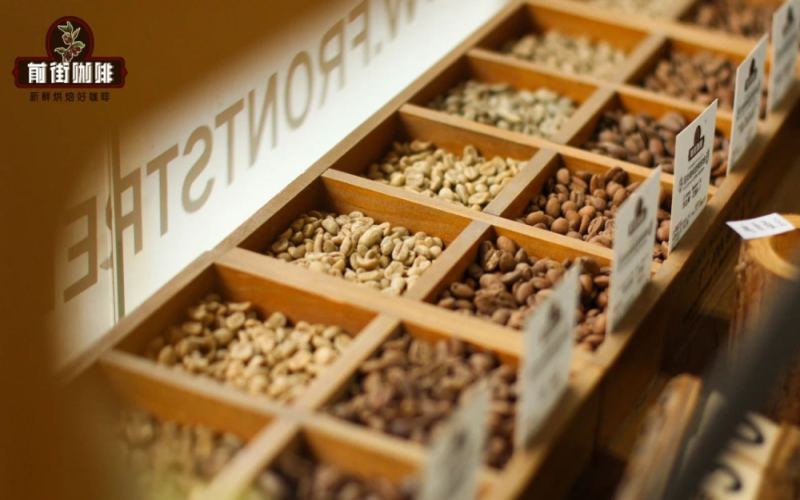
How to brew medium-dark roast pour-over coffee without bitterness? A flavor analysis of the acidity and bitterness differences between Yirgacheffe and Mandheling
Coffee beans must be roasted, ground, and brewed before they can present a cup of coffee with full aroma and rich flavor. Different roast levels bring entirely different flavor directions: the darker the roast, the higher the body, the lower the acidity, and the more pronounced the bitterness. This article starts with the characteristics of three types of beans—light roast, medium roast, and dark roast—to help you understand the relationship between roast level and flavor, and uses the light-roasted Front Street Yirgacheffe Gedingding and the dark-roasted Front Street Mandheling as examples to explain the approach to matching grind size and water temperature. It also shares four practical tips—low, gentle, slow, and coarse—so that medium-dark roasted coffee can also brew a soft and solid taste. [more…]
Coffee Bean Roasting Principles | What's the Difference Between Dark Roast and Light Roast Coffee Beans? Can Single-Origin Beans Like Natural Red Cherry, Bird of Paradise Estate, Brazil Yellow Bourbon, and Mozart Be Used for SOE Coffee?
When Front Street Coffee baristas introduce coffee bean flavors to customers, they also share a lot of related knowledge about coffee beans. From a single coffee bean to the coffee we taste, it goes through picking, drying processing, hulling and sorting, roasting, and finally extraction—every step [more…]
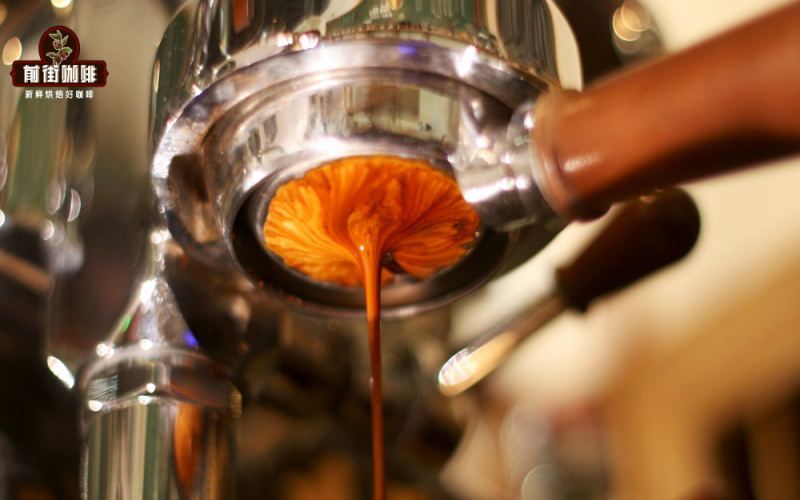
A Guide to Extracting Light-Roast Espresso Beans: Flavor Characteristics, Common Issues, and Bean Selection Tips for Home Espresso Machines
Can light-roast coffee beans hold their own in espresso? Building on Front Street's earlier tests, this article takes a closer look at the flavor performance and key operating points of making espresso with light-roasted beans. From the causes of sharp acidity and channeling to adjustment strategies for grind size, dose, and pressure, it breaks down the pitfalls in extraction one by one. At the same time, for home and office scenarios, it recommends coffee beans with different positioning, such as Front Street Classic Blend, Commercial Blend, PWN Golden Mandheling SOE, and Strawberry Candy Espresso, helping coffee lovers find the espresso that suits them among acidity, crema, and sweetness. [more…]